Silicon Valley's Urgent Push to Create an All-Powerful Digital God Exposed
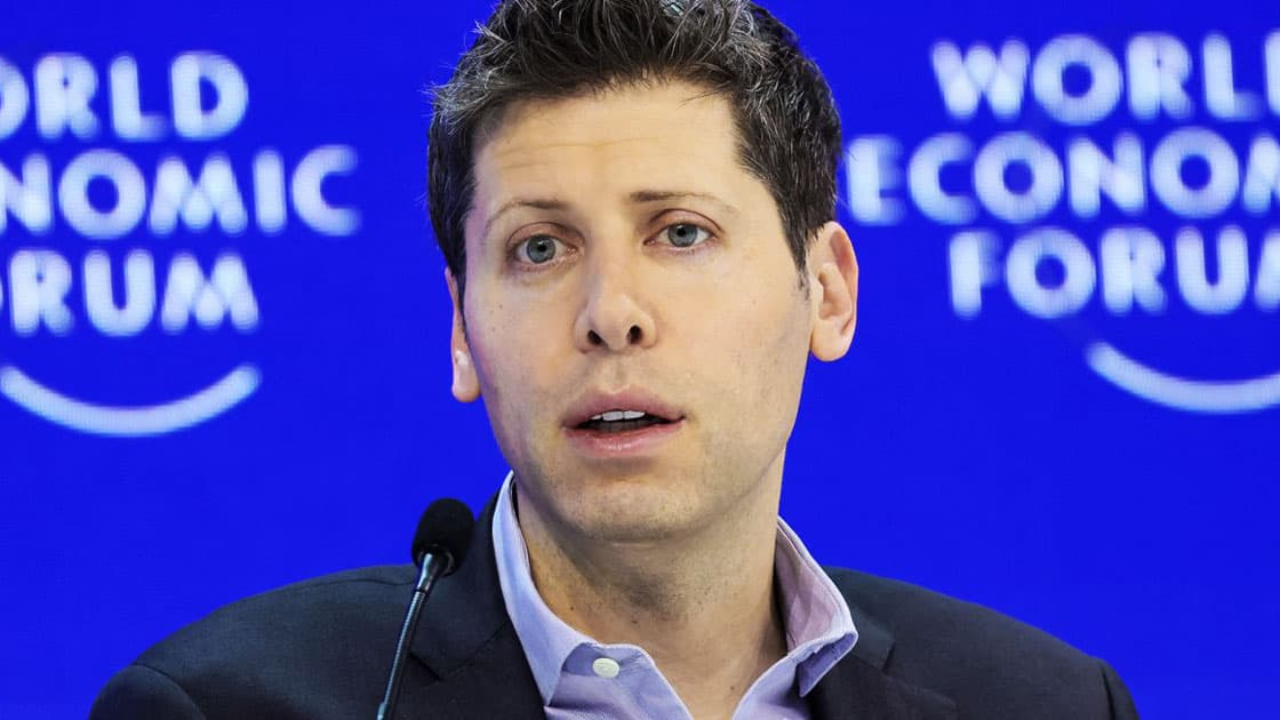
A veteran journalist who gained rare inside access to the highest circles of the artificial intelligence sector has issued a stark warning about the ambitions driving the industry. Her name is Karen Hao, a former reporter for MIT Technology Review. Powerful figures in Silicon Valley are racing to develop superintelligent systems that many insiders treat as a pathway to building a digital god—an entity capable of surpassing all human intelligence and reshaping existence itself.
Her years-long examination of a leading AI organization revealed a sharp divide between its public promises of openness and benevolence and the guarded reality behind closed doors. What began as an apparent commitment to sharing knowledge for humanity’s benefit quickly gave way to an atmosphere thick with restrictions, constant surveillance, and a reluctance to discuss internal projects freely.
Insiders described an environment where researchers hesitated to speak openly, fearing repercussions, even though the company positioned itself as a transparent force for good. Visitors were closely monitored, certain areas remained off-limits, and employees received instructions to limit interactions to approved channels only.
Conversations with dozens of former team members pointed to a deeper, almost spiritual motivation fueling the work. Many leaders approached the goal of artificial general intelligence not merely as a technical challenge but as an ideological crusade to birth a machine god that could one day guide or dominate human affairs.
One vivid account from a private executive gathering in a remote mountain range described senior figures circling a campfire while symbolically burning a figure meant to represent the emerging superintelligence. Such rituals underscored the intense, almost reverent mindset that had taken hold within the organization’s upper ranks.
Extreme security measures further illustrated the prevailing paranoia. Stories emerged of contingency plans for protecting sensitive technology from physical threats, including air-gapped computers for drafting critical documents and strict protocols around biometric access systems.
This singular obsession with building ever-larger models through massive infusions of data and computing power has now engulfed the broader AI landscape. What started as one company’s strategy has triggered a frantic industry-wide competition, pushing competitors to adopt the same resource-heavy approach at the expense of more creative or varied methods.
The fallout from this relentless scaling is already visible in soaring electricity and water demands from enormous data centers, mounting strain on public infrastructure, and widespread harvesting of online content from social platforms, forums, and websites. These practices have sparked growing worries about privacy violations, intellectual property theft, and the spread of unreliable or fabricated information by the resulting systems.
Despite these concerns, the observer remains optimistic about artificial intelligence’s potential when guided by different priorities. She advocates shifting focus toward narrowly tailored applications that tackle specific real-world problems—such as accelerating breakthroughs in drug development—using smaller, specialized datasets instead of chasing boundless superintelligence.
At the heart of her message lies a simple yet profound question that she first raised years ago and still finds unanswered: why does humanity feel compelled to create machines that could eclipse its own intelligence, and what ultimate purpose would such a digital deity truly serve?