Child Safety Groups Urge FTC To Probe Roblox
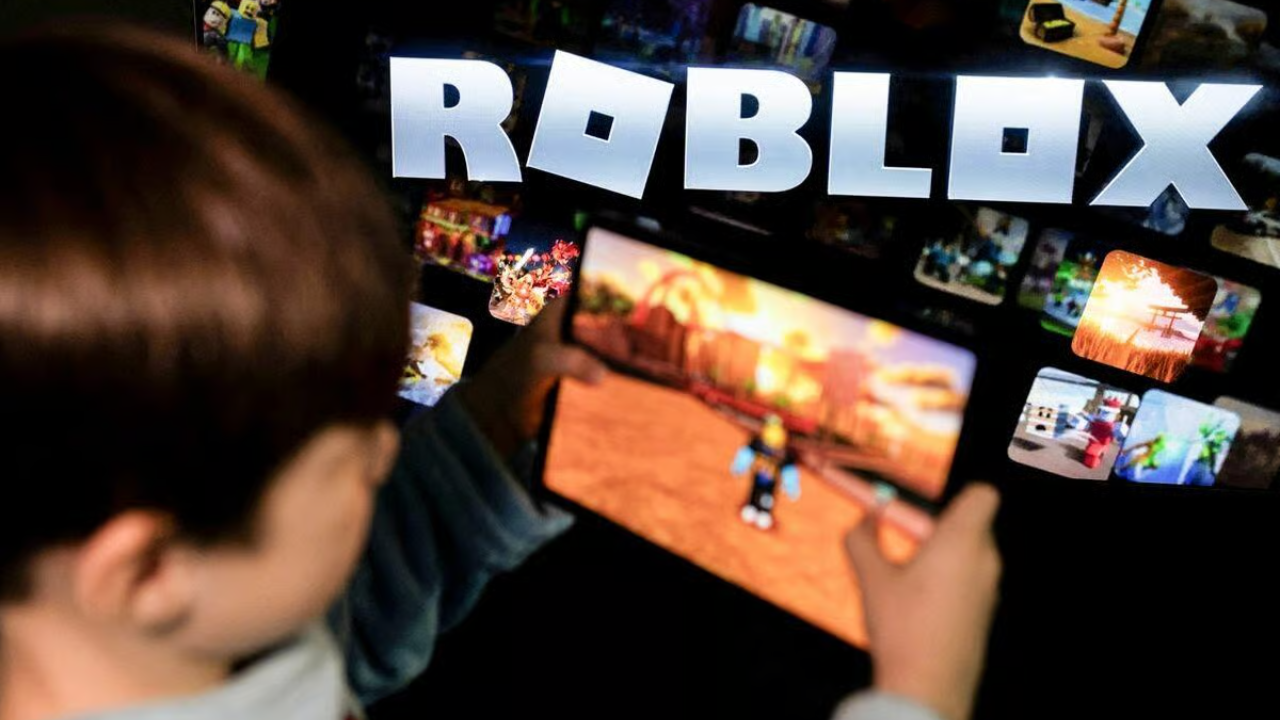
Two leading child safety organizations have submitted a formal complaint to the Federal Trade Commission, calling for a thorough investigation into Roblox, the widely used online gaming platform. The groups argue that the service exposes young users to serious risks of sexual exploitation and financial manipulation through its core design elements. Filed on May 20, the complaint highlights how specific platform features exploit the developmental vulnerabilities of children, potentially violating federal consumer protection laws.
The nonprofits contend that Roblox's engagement-focused mechanics, intricate virtual economy, and open communication tools create an environment ill-suited for its predominantly young audience. These elements, they say, prey on children's natural desire for self-expression and social acceptance while encouraging impulsive spending and risky interactions. As a result, kids reportedly feel intense peer pressure to purchase in-game items, turning virtual currency into a symbol of status that can lead to overspending.
Roblox allows account creation for children as young as five years old, a threshold the advocates describe as far too low given the platform's complexities. With approximately 151.5 million daily active users worldwide, the service reaches nearly half of all American children under 16, including 42 percent who are under 13. This massive youth presence amplifies concerns that the platform's tools are not adequately safeguarding minors from harm.
In addition to the safety issues, the complaint arrives amid a sharp decline in Roblox's market value. The company's stock price has plummeted nearly 70 percent from its peak of $150.59 last July to $46.14 in May of this year, erasing almost $66 billion in market capitalization. Observers note that ongoing scrutiny over child protection could be contributing to investor unease about the platform's long-term viability.
A key criticism centers on the platform's social and economic systems, which the groups say encourage unhealthy comparisons among young players. By making users' virtual inventories publicly visible, Roblox taps into children's tendency to measure self-worth against peers, driving them to acquire more items. The virtual currency setup further complicates matters, as children must navigate multiple currencies and perform advanced calculations to understand real-world costs—skills many lack, increasing the chance of unintended financial losses.
Communication features on Roblox also draw heavy fire in the filing. Voice and text chat options, intended to foster social play, frequently expose children to inappropriate sexual content and contact from adults, according to the complaint. Although parents can adjust some privacy settings, these controls do not extend to chats created independently by game developers, leaving significant gaps in protection.
Roblox has pushed back strongly against the allegations, insisting that its platform prioritizes positive, safe experiences built around fun and genuine connections rather than addictive engagement. The company emphasizes that most games are free to play, purchases of Robux are optional, and strict policies ban gambling-like mechanics or unfair practices. It also points to built-in safeguards, including moderation tools and rules for creators, to maintain a civil environment.
The platform faces mounting legal pressure in the United States as well. Multiple states, including Iowa, Louisiana, Texas, Kentucky, and Florida, have launched lawsuits citing inadequate child safeguards. Iowa's December 2025 suit described Roblox as an ideal space for predators, scammers, and harmful content. In response, Roblox introduced age-specific accounts in April, imposing stricter content filters for users under 16 and enhancing parental oversight tools.
Beyond domestic challenges, Roblox is encountering international backlash. The platform has been banned outright in Turkey and Iraq, while Russia blocked access late last year over claims of promoting inappropriate material. Authorities in the Netherlands opened their own probe into risks to minors earlier this year, and Australia recently demanded detailed explanations from major gaming services, including Roblox, on preventing child grooming and radicalization. These developments underscore a growing global consensus that interactive online platforms require stronger oversight to protect vulnerable users.