Newsom Diverted Taxpayer Funds That Could Have Stopped Palisades Fires
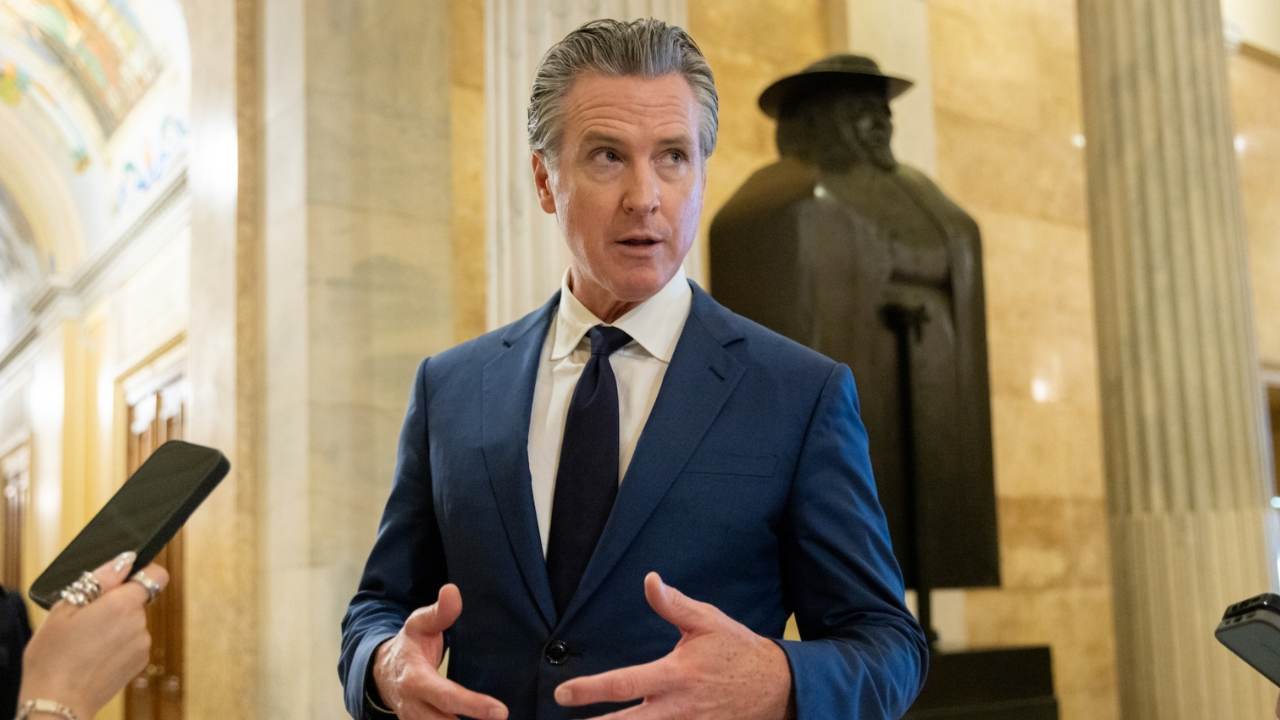
California Governor Gavin Newsom is facing sharp criticism after reports revealed that his administration has funneled substantial taxpayer money into initiatives focused on Native American cultural projects rather than direct wildfire prevention efforts. These allocations have raised questions about priorities, especially as communities continue to recover from devastating blazes. The funding decisions highlight a broader debate over how state resources are distributed during an era of increasing fire risks across the region.
Since 2023, the California Department of Forestry and Fire Protection has handed out approximately $24 million through its Tribal Wildfire Resilience program. The grants support various tribal organizations and nonprofit groups, with some money going toward traditional land management practices. However, a significant portion appears tied to activities that extend far beyond immediate fire safety measures, prompting concerns from watchdogs who view the program as drifting from its original goals.
One key element of the program involves so-called cultural burns, where Native American tribes apply ancestral techniques to clear vegetation and maintain ecological balance. Supporters describe these methods as fostering a deep connection between indigenous communities and the natural world, including plants, animals, and elements like water and fire. State officials overseeing the effort have emphasized historical context, noting past policies of land loss and cultural disconnection that the current approach aims to address by empowering tribes in land stewardship.
Yet critics contend that many of the grants show only tenuous links to wildfire mitigation. For instance, records indicate $1 million awarded to supply forest-related ingredients for tribal restaurants, while another $599,000 went toward renovating property for a Native American summer camp. Additional funds covered tasks like paying tribal members to monitor spotted owl nests, totaling $166,000, and supporting a “food sovereignty” initiative paired with a climate action plan at $746,000.
Further examples include $521,000 directed toward activities centered on building “close kinship” with nature and its elements. State projections from 2022 anticipated that tribes and cultural practitioners would conduct prescribed burns across 25,000 acres each year by 2025. Despite this target, no comprehensive data has been made public on actual progress, and some tribal representatives have indicated a preference for smaller-scale operations to preserve traditional practices.
In the midst of these spending choices, victims of the January 2025 Palisades fire in Los Angeles remain largely uncompensated. The governor had promised a $2.5 billion relief package to aid those affected, but recent investigations show that the majority of the designated funds have yet to reach individuals in need. Instead, much of the money has been redirected toward other state priorities, leaving many families and property owners in limbo.
State records reveal that about 60 percent of the initial fire relief allocation stays unused, with expended portions largely covering government agency operations, reimbursements to local fire departments, and even highway patrol activities unrelated to direct victim support. This discrepancy has fueled accusations that essential resources intended for disaster recovery were diverted elsewhere, exacerbating frustrations among those still awaiting assistance more than a year later. The situation underscores ongoing tensions between cultural initiatives and urgent public safety demands in California.