CBS says $40 million Late Night loss to turn into $15 million profit after kicking Stephen Colbert
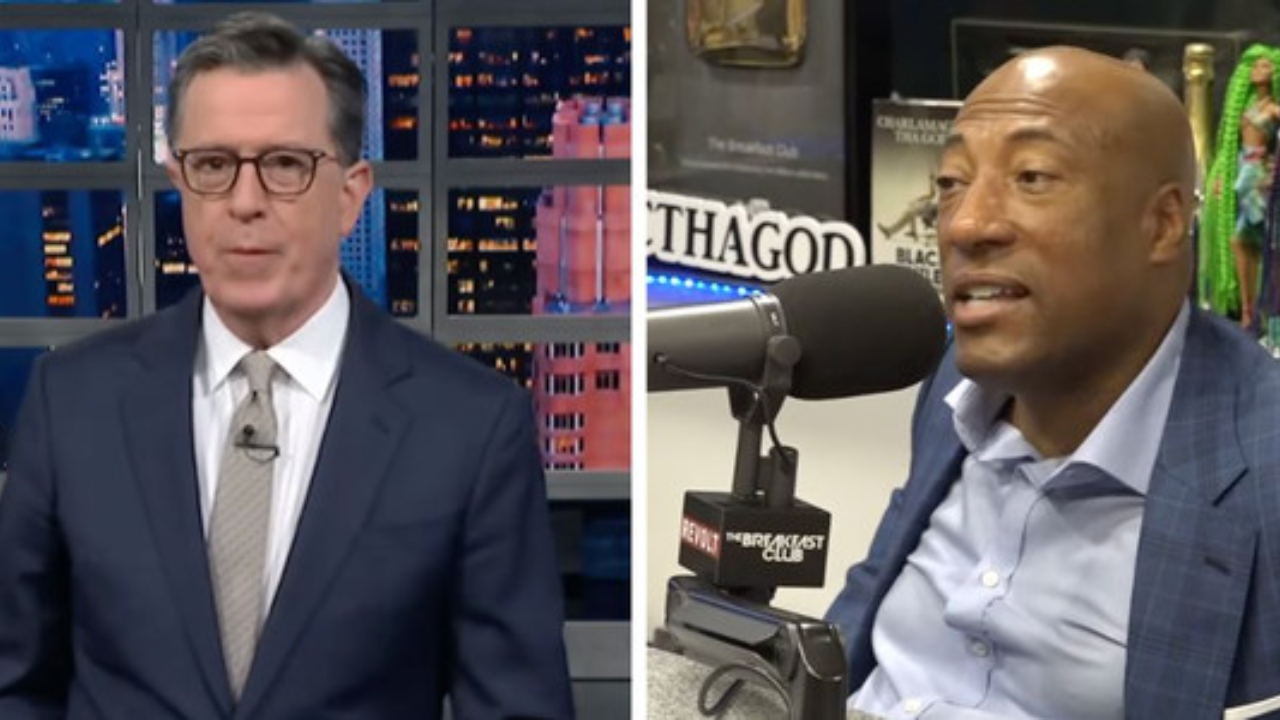
In a notable strategic pivot for its evening programming, CBS has revealed that canceling The Late Show with Stephen Colbert and introducing a different format has dramatically improved its financial outlook. The network previously absorbed substantial annual deficits from the long-running late-night program, but the switch is now positioned to generate meaningful gains instead.
The move comes after years of the original show operating at a significant cost to the broadcaster. Production expenses for Colbert's program had been running at a loss of approximately $40 million each year, prompting executives to seek a more sustainable approach amid broader declines in advertising revenue across entertainment divisions.
CBS opted to fill the late-night hour with Comics Unleashed, a show hosted by Byron Allen. This replacement debuted to considerably smaller audiences than its predecessor, highlighting a clear trade-off between viewership numbers and operational efficiency.
Even with the reduced viewership, network leaders insist the financial upside justifies the change. The new arrangement allows CBS to step back from shouldering full production burdens while still benefiting from the timeslot.
Under the innovative "time buy" structure, Byron Allen has acquired the broadcast slot directly from CBS. He now handles all associated production expenses, shifting the economic risk away from the network entirely.
In return for granting access to the hour, Allen pays CBS a licensing fee estimated at $15 million. He retains the advertising income generated by the program, creating a streamlined model that minimizes overhead for the broadcaster.
CBS has publicly defended the decision as a necessary evolution in late-night television. Officials described the transition as turning a previously unprofitable hour into one that delivers about $15 million in annual profit, resulting in an overall financial improvement of roughly $55 million. This outcome underscores how the old format had grown too expensive to maintain under current market conditions.