States Ramp Up Efforts to Restrict Undocumented Immigrants from Taxpayer-Supported Health Programs
The left frequently expose their underlying priorities through the policies they fight hardest against. Consider the SAVE Act, which simply mandates proof of citizenship before casting a ballot in federal elections—a standard requirement upheld by the vast majority of nations worldwide and backed by roughly 80 percent of Americans. Yet Democrats have consistently blocked its passage, raising questions about their motivations.
The same pattern emerges with healthcare subsidies. In recent years, Democratic leaders fiercely resisted initiatives from the previous administration aimed at preventing undocumented immigrants from accessing these public funds. Their defense rested on the claim that no such individuals were enrolled anyway. Logically, if that assertion held true, additional eligibility checks would have made no difference whatsoever. However, internal data tells a different story: approximately 1.4 million individuals who entered the country illegally under recent border policies and later claimed asylum status remained enrolled in these programs as of late 2024. Advocates appear to view such benefits as a strategic tool for securing long-term political allegiance while also influencing census counts that affect representation in certain states.
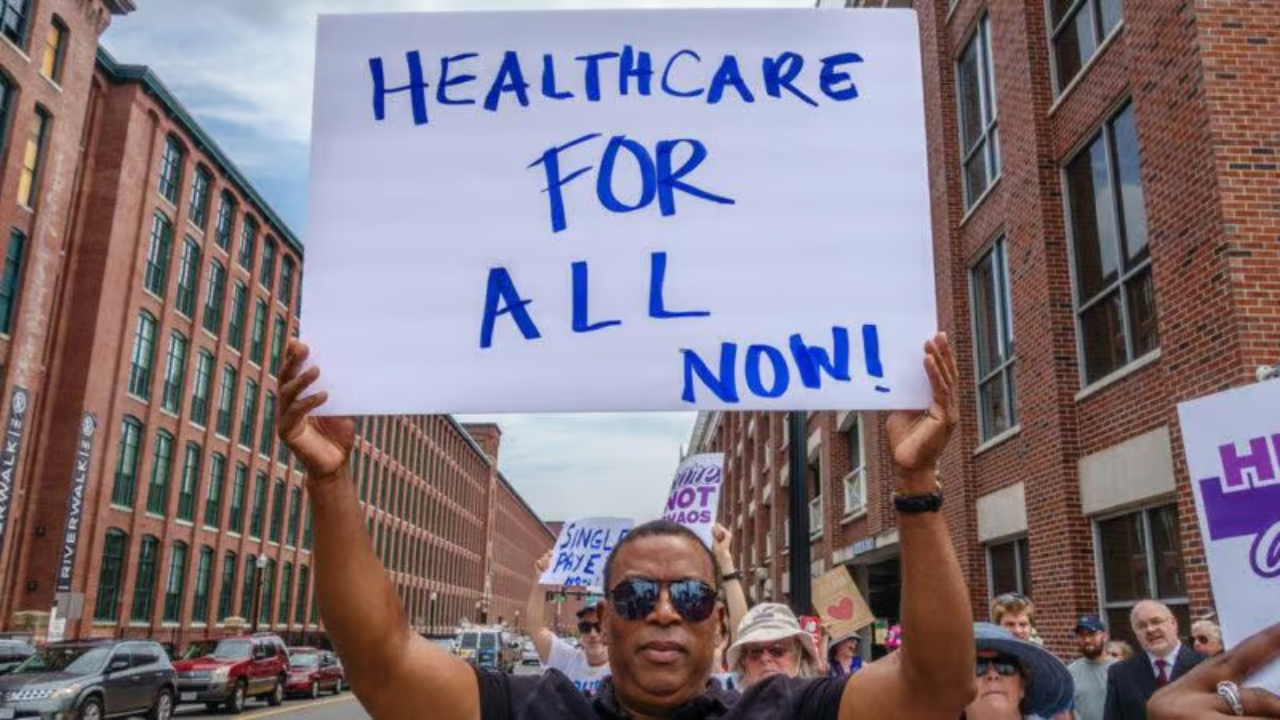
Now, a growing list of states is closing this gap by mandating verification of legal residency or citizenship for participation in publicly funded medical coverage. What many would regard as a straightforward safeguard has sparked backlash from critics, including some healthcare providers and progressive lawmakers. In Tennessee, for instance, the Department of Health has begun notifying hospitals and clinics that they must confirm citizenship status for anyone seeking enrollment in state benefit programs. This includes specialized services for children, from newborns up to age 21. Officials have already initiated the process of removing older teens aged 18 to 21, with reviews underway for younger participants as well.
Opponents of these reforms often spotlight the most sympathetic cases, such as children with serious medical needs, to argue against any restrictions. The tactic frames the debate as a choice between compassion and cruelty, suggesting that denying care to one group inevitably harms everyone. At the same time, many facilities that rely heavily on government reimbursements stand to lose substantial revenue if large numbers of non-citizens are removed from the rolls. This financial pressure adds another layer to the resistance, even as the changes target only non-emergency, taxpayer-financed assistance.
Interestingly, the current outcry contrasts sharply with earlier Democratic messaging. Just months ago, the prevailing narrative insisted that undocumented immigrants received no government healthcare support at all. The sudden alarm over routine citizenship screenings suggests that the earlier position may have been overstated or strategically framed. Under the new Tennessee requirements, adults unable to prove lawful presence face disenrollment as early as May 29. The state legislature recently approved measures ensuring that all applicants aged 18 and older must demonstrate legal status before qualifying for these benefits.
Emergency medical treatment remains available to everyone in the United States, citizen or not, as required by longstanding federal rules. Yet non-urgent, subsidized care funded by taxpayers is increasingly viewed as a benefit reserved for those with legal ties to the country. This approach aligns with practices in nearly every other nation, including those with government-run health systems often praised by progressives. A handful of additional states—such as North Carolina, Indiana, Louisiana, Montana, Wyoming, and Oklahoma—have either enacted comparable rules or are actively moving toward them.
In the end, the principle at stake is straightforward: American citizenship and the privileges it carries should not function as an automatic safety net for those unable or unwilling to support themselves. Individuals seeking to build a life here must recognize that access to public resources comes with responsibilities, not open-ended entitlements. These state-level actions represent a broader push to realign benefits with legal residency, ensuring that limited taxpayer dollars serve those who have earned the right to claim them.