NYC Mayor's Bold Homeless Spending Push Raises Questions Amid Declared Fiscal Emergency
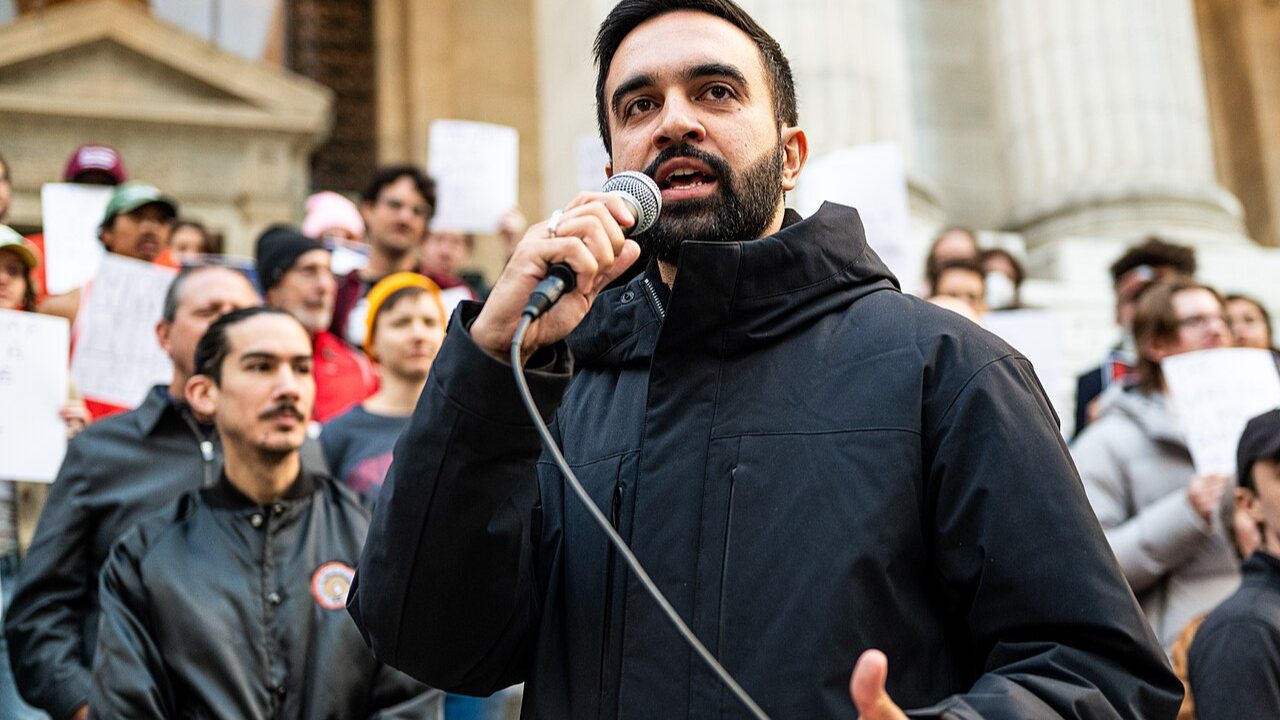
New York City’s recently elected mayor, a self-described democratic socialist, has sparked debate by highlighting a severe budget shortfall while simultaneously advancing plans for substantial new expenditures. In April, the mayor described the city’s financial situation as a historic crisis, warning of limited resources and the need for careful fiscal management. This declaration set the stage for concerns about how the administration would balance competing priorities in the coming years.
Despite these warnings, the mayor has now proposed a significant increase in funding for homeless services. The plan calls for allocating $4.2 billion to the Department of Homeless Services in the 2027 budget. This represents a $700 million jump from the $3.5 billion allocated for the current year, signaling a major expansion in resources dedicated to addressing homelessness.
The proposed figure surpasses spending levels seen during the peak of the city’s migrant crisis. In 2024, when shelters were housing around 69,000 asylum seekers at their highest point, the budget for these services reached $4.1 billion. Under the previous administration, initial projections for 2023 were much lower at $2.4 billion, though actual spending later climbed to $3.5 billion as the influx of new arrivals intensified pressure on the system.
Records show that more than 230,000 asylum seekers passed through New York City starting in spring 2022, when the homeless services budget that year stood at $2.3 billion. The current proposal would exceed even those elevated crisis-era amounts, prompting observers to question whether such funding aligns with the earlier statements about constrained city finances.
Critics wonder whether the increased investment will lead to a measurable reduction in the city’s homeless population. There are concerns that generous service expansions could inadvertently draw more individuals seeking assistance, potentially keeping overall numbers stable or even causing them to rise rather than fall. Past experiences in other major cities have shown that large-scale homeless initiatives do not always yield the expected long-term declines in street homelessness.
Questions have also surfaced about how effectively the funds will be managed. Observers point to examples in cities like Los Angeles, where similar large investments in social services sometimes resulted in limited visible progress and raised issues about accountability and overhead costs. Social welfare programs, by their nature, can be vulnerable to inefficiencies or misuse, leading some to describe the approach as potentially counterproductive.
Looking ahead, residents and analysts alike are speculating about the city’s direction over the next year. The combination of crisis rhetoric followed by ambitious spending may offer a real-world case study in urban economics and governance priorities. As the budget moves forward, New Yorkers could gain important insights into the outcomes of these policy choices and their broader effects on city life.