New Fed Leader Kevin Warsh Takes Charge with Ambitious Plans for Institutional Overhaul
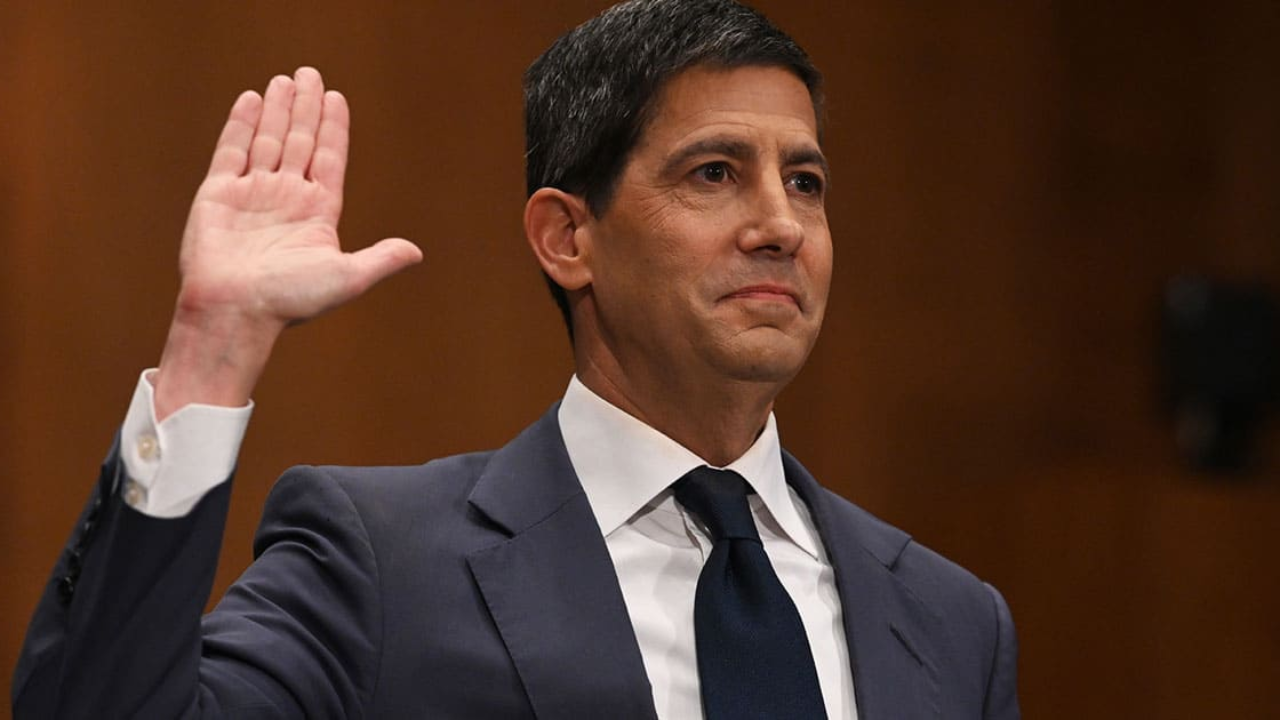
Kevin Warsh was formally sworn in as the new Chairman of the Federal Reserve on Friday, promising to guide the central bank through a period of significant change. In his remarks, he emphasized a renewed focus on rebuilding public trust, improving accountability, and staying true to the Fed’s fundamental goals of achieving stable prices and supporting maximum employment across the economy.
The oath of office took place in a notable White House ceremony held in the East Room. This marked the first time in almost forty years that a Federal Reserve chairman had been sworn in at the presidential residence. Supreme Court Justice Clarence Thomas administered the oath as President Donald Trump stood alongside the new chairman.
During the event, Warsh described his vision for the institution as reform-oriented. He highlighted the importance of drawing lessons from both past achievements and shortcomings while moving away from outdated approaches. Warsh expressed his intent to uphold high standards of integrity and performance, describing the effort as a return to the core values of an organization he deeply respects.
President Trump offered supportive words at the ceremony, stressing that Warsh should operate with complete independence from political influence. He encouraged the new chairman to focus solely on doing an excellent job without regard for external pressures from the administration or others.
Warsh assumes his role at a critical moment when inflation has started to pick up speed again. Recent data showed the annual inflation rate reaching 3.8 percent in April, the highest level recorded since May 2023. This development has heightened worries that price pressures continue to linger well above the central bank’s preferred long-term target of 2 percent.
Internal discussions among Federal Reserve officials reflect growing caution. Summaries from recent policy meetings indicate that many participants see a potential need for additional measures to tighten policy if inflation does not ease further. Market participants have begun adjusting their expectations, with some now pricing in the possibility of another modest interest-rate increase before the end of the year.
The new chairman brings valuable experience to the position, having previously served on the Federal Reserve Board of Governors from 2006 to 2011. Throughout that time, he navigated the challenges of the global financial crisis. In the years since, he has openly advocated for greater transparency and meaningful reforms within the central bank.
Warsh’s first major opportunity to influence policy will arrive quickly at the upcoming Federal Open Market Committee meeting scheduled for June 16 and 17. Most analysts anticipate that officials will hold the benchmark interest rate steady in its current range of 3.5 percent to 3.75 percent. Nevertheless, all eyes will be on Warsh for early signals about how aggressively the Fed plans to address persistent inflation.
As he begins his tenure, Warsh faces a complex set of economic conditions, including renewed price pressures, global uncertainties, and heightened scrutiny from markets and businesses alike. His stated commitment to pursuing bold reforms while preserving the Fed’s independence will soon be put to the test in one of the more demanding environments in recent memory for any central bank leader.