House task force questions American Bar Association president over DEI policies for law schools
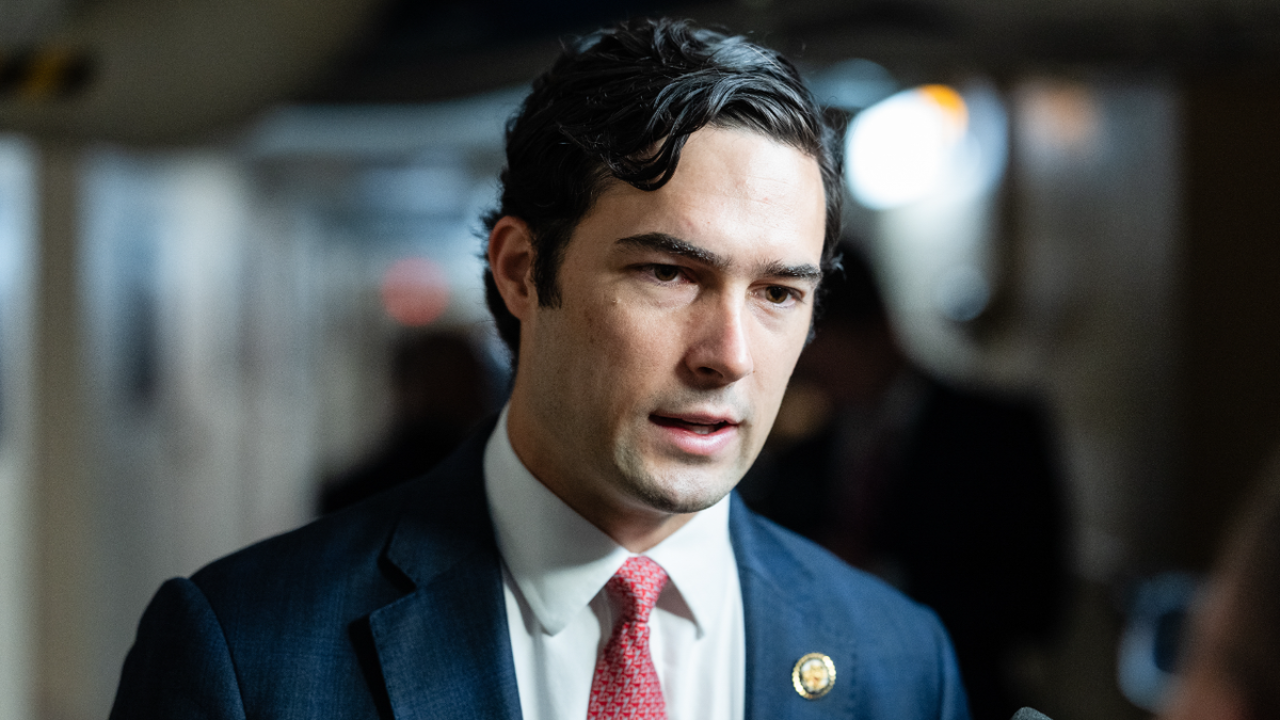
A U.S. House task force questioned the American Bar Association’s president during a Wednesday hearing about the group’s continued support for diversity, equity and inclusion measures, even after a 2025 executive order barred “unlawful discrimination” in accreditation processes.
The session built on more than a year of scrutiny following Department of Education guidance on DEI practices and President Donald Trump’s executive order titled “Reforming Accreditation to Strengthen Higher Education.” That directive focused on the ABA Council and the Liaison Committee on Medical Education—the primary federally recognized accreditors for law and medical degrees. While a handful of states offer alternative routes to bar admission, most still require graduation from an ABA-accredited law school, giving the council significant control over entry into the legal field. The same dynamic applies to medical schools and the LCME.
In recent years both accreditors had required schools to show commitment to DEI as a condition of accreditation. The Trump administration labeled such policies “unlawful discrimination” and instructed the Departments of Education and Health and Human Services to examine the recognition status of any accreditor engaging in practices that violate federal law. Months earlier, the Education Department had issued a Dear Colleague letter that elaborated on the Supreme Court’s 2023 Students for Fair Admissions v. Harvard decision, which found race-conscious admissions unconstitutional.
The ABA Council has been reluctant to eliminate Standard 206, its main diversity and inclusion accreditation requirement. It first paused enforcement through August 2026 and later extended the pause to August 2027. In May the council voted to repeal the standard after a committee cautioned that keeping it could endanger the ABA’s federal recognition as the accreditor for U.S. law schools. Final approval, however, rests with the ABA House of Delegates, which is scheduled to debate the proposal at its August annual meeting.
Standard 206 calls on law schools to take concrete steps to expand opportunities for underrepresented groups—especially racial and ethnic minorities—and to maintain student bodies, faculties and staffs that are diverse with respect to gender, race and ethnicity. The council has also proposed repealing Standard 303C, which requires instruction on bias, racism and cross-cultural competency; that proposal has completed its public-comment period and awaits a final council vote.
ABA President Michelle Behnke argued that diversity efforts strengthen the profession rather than undermine excellence. “Diversity and excellence are not mutually exclusive. In fact, the opposite is true. Diversity, equity, and inclusion initiatives enhance merit within the legal profession. When we have diverse teams, our profession is stronger,” she told lawmakers.
Zack Smith, a senior legal fellow at the Heritage Foundation’s Legal Policy Center, urged Congress to go further by ending the ABA’s exclusive role as gatekeeper. He recommended updating statutes to bar recognition of any accreditor that imposes DEI requirements and expanding on state-level moves that already allow non-ABA-accredited schools to qualify graduates for bar exams. Several states have already explored or adopted such changes.
Democratic members criticized the hearing as lacking seriousness, pointing out that the invited witness was the ABA president rather than a representative of the ABA Council of the Section of Legal Education and Admissions to the Bar—the body actually recognized by the Department of Education. Rep. Dave Min, D-Calif., said the choice reflected a misunderstanding of legal education’s structure and amounted to “a bunch of mistruths, half truths, trying to create a smear campaign against the ABA and against law schools.”