California Employs An Army Of DEI Officials In Fake, Cushy Jobs
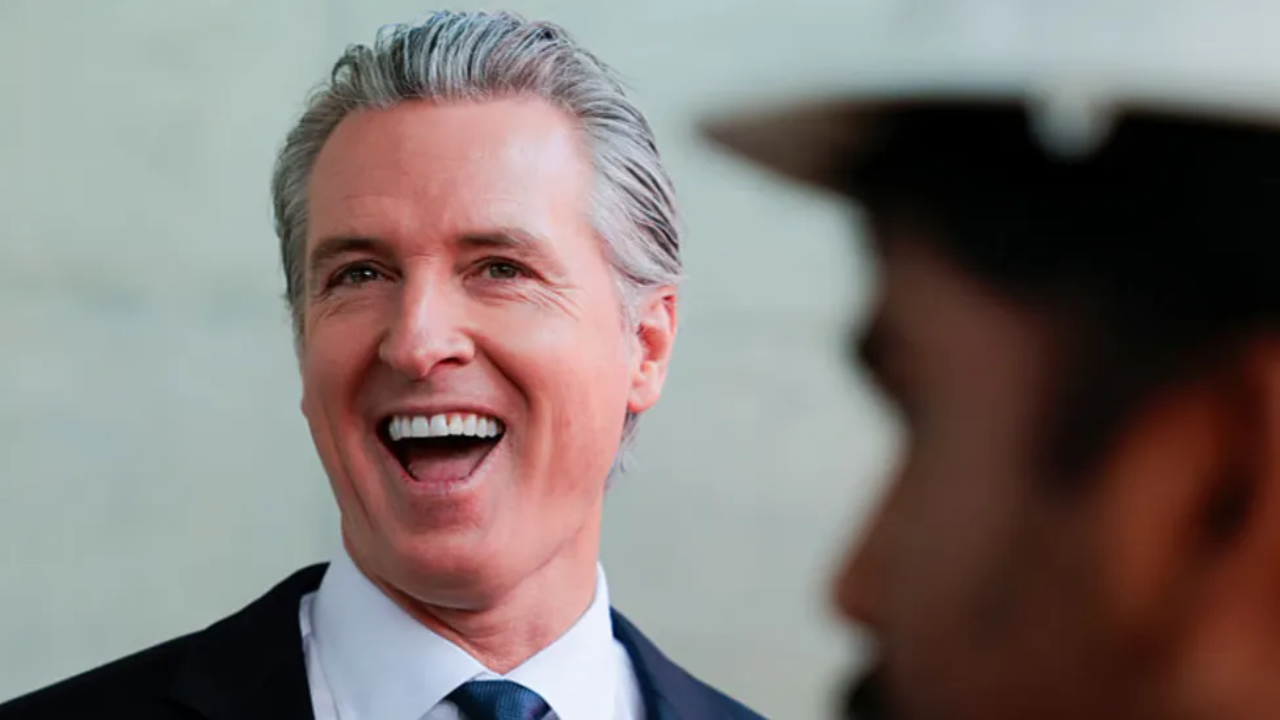
Diversity, equity, and inclusion initiatives in California have allowed 20 senior officials selected by Governor Gavin Newsom to earn a total of $3.2 million in yearly pay.
These numbers come from a July listing released by the California Department of Human Resources that details political appointees in the Newsom administration and what they make.
While the recipients of these six-figure paychecks are no doubt pleased, most state taxpayers would likely be underwhelmed by the limited results these roles produce. And the salary total is only a small slice of overall DEI-related state costs once support staff, benefits, outside consultants, grants, and related programs are factored in.
If Newsom seeks higher office, his California tenure could offer a glimpse of how DEI staff embed their priorities into public administration.
The most comfortable DEI posts share common traits. Much of the activity centers on sitting in meetings, writing plans and reports, and conducting discussions.
Conversations play a big role at the California Department of Cannabis Control, where a deputy director of equity and inclusion works to help minority entrepreneurs in the sector.
One of the responsibilities involves leading talks with marijuana business owners through a series called “Cannabis Conversations.” Participants have reason to join, thanks to the state’s $35 million equity fund set aside for individuals the government views as disproportionately affected by past drug policies and other historical disadvantages.
The department also employs Kika Keith, previously featured in a Los Angeles Times style profile as a leading equity champion in California’s cannabis field.
Her 2025 film is titled “Kiss My Grass.” She highlights her status as the first Black woman to operate a social equity dispensary in Los Angeles, arguing that communities like hers have historically been shut out of the financial benefits of industries such as cotton, alcohol, and tobacco.
The state even runs a site that helps consumers find “equity” cannabis businesses.
Similar specialized DEI focus appears in other preferred sectors. The economic development agency maintains a zero-emission vehicle equity team, including an advocate who leads a plan aimed at expanding electric-vehicle and charging access in communities long considered underserved.
Concrete data showing how many chargers have been added in urban areas or whether EV ownership has risen in specific ZIP codes is harder to locate.
Two nearly overlapping roles handle broader DEI coordination for state government.
California’s inaugural chief equity officer is charged with building a “framework” to make government services more equitable. At the same time, the Racial Equity Commission has an executive director who manages staff and issued a separate “Racial Equity Framework” the previous year.
The need for two people generating two similar frameworks is not explained.
Additional high-level DEI positions exist in transportation, health care, social services, education, emergency management, and environmental protection.
The California Governor’s Office of Emergency Services maintains its own chief equity officer. The rationale for embedding an equity bureaucracy in the coordination of responses to wildfires, earthquakes, and other disasters is not obvious, yet California has one.
The agency’s equity commitment statement declares that everyone should have access to emergency help regardless of obstacles.
That straightforward idea prompts a natural follow-up: Why is a high-paid equity post required to carry out a core responsibility?
Health-related departments house several DEI appointees, including a chief equity officer, a program director for equity and inclusion, a director of the Office of Equity, an assistant director for equity and inclusion, and a director of equity at Covered California, the state’s insurance marketplace.
Narrowing racial gaps in health care is a worthy aim, yet it is unclear how five desk-bound officials will expand medical access.
Although DEI efforts face growing skepticism in many places, California continues on its own path.
Adding staff and programs under an equity banner and then claiming progress is straightforward. Proving that the bureaucracy has delivered real benefits for average residents is far more difficult.
Should Newsom attempt to take his approach nationwide, he may face questions about how a large roster of well-compensated DEI officials—whose main outputs seem to be discussions, frameworks, and meetings—has addressed California’s persistent problems.