House passes State Department funding bill with SAVE Act attached
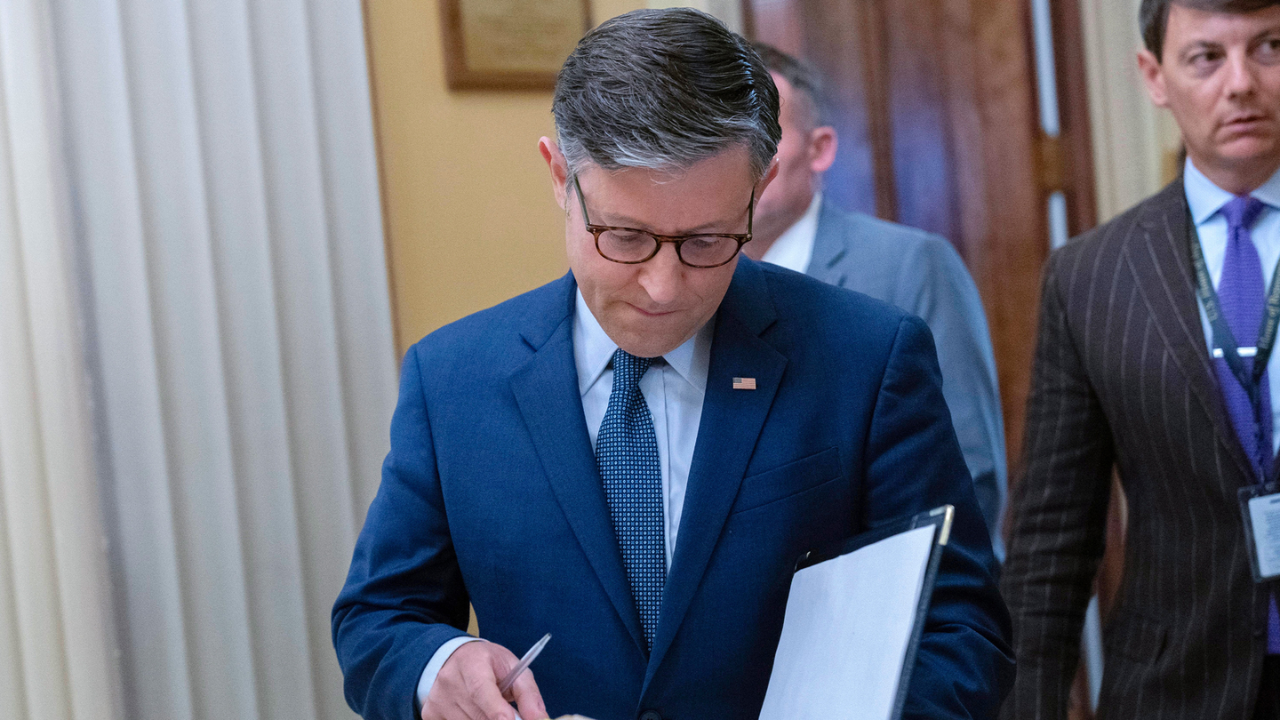
Republicans in the U.S. House of Representatives recently succeeded in passing a key spending measure that incorporates important provisions aimed at securing federal elections.
This legislation cleared the House chamber with a narrow margin of 217 votes in favor and 209 against. Republican leadership chose to link the election integrity measures to the yearly funding allocation for the State Department, and one lawmaker from the Democratic Party joined in supporting the overall package.
The combination of these separate policy areas occurred via a parliamentary maneuver referred to as MIRVing. Such a method involves attaching different legislative items into one bill, thereby increasing the challenge for opponents who might otherwise wish to reject specific parts without affecting essential government funding.
Following approval in the House, the bill moves forward to the Senate for consideration. Upper chamber members possess the authority to revise the text as they see fit, which could involve excising the election-related additions entirely before returning any modified version back to the House for additional review.
Earlier this year, during February, the House had already given its approval to the election security legislation when it stood alone. Progress halted once it reached the Senate, where the opposing party indicated it would employ procedural tools like the filibuster to prevent further advancement.
Opponents in the Democratic ranks have maintained their position that mandates for identification at the polls amount to forms of racial bias. In contrast, available survey data reveals that a significant portion of Americans from various racial and ethnic groups, particularly non-white citizens, express approval for the use of photo identification in the voting process.
Prior to the House decision, Senate Democratic Leader Chuck Schumer expressed firm resistance, asserting repeatedly that the measure would fail to gain traction upon arrival in the Senate. He characterized the Republican strategy as an attempt to reinstate historical discriminatory barriers to voting, vowing that such efforts would be thwarted.
At its foundation, the attached legislation seeks to strengthen safeguards by demanding evidence of American citizenship when individuals register for participation in national elections. It further directs states to create mechanisms for confirming the citizenship status of those already listed on voter registries and to facilitate the sharing of pertinent registration details with national authorities.