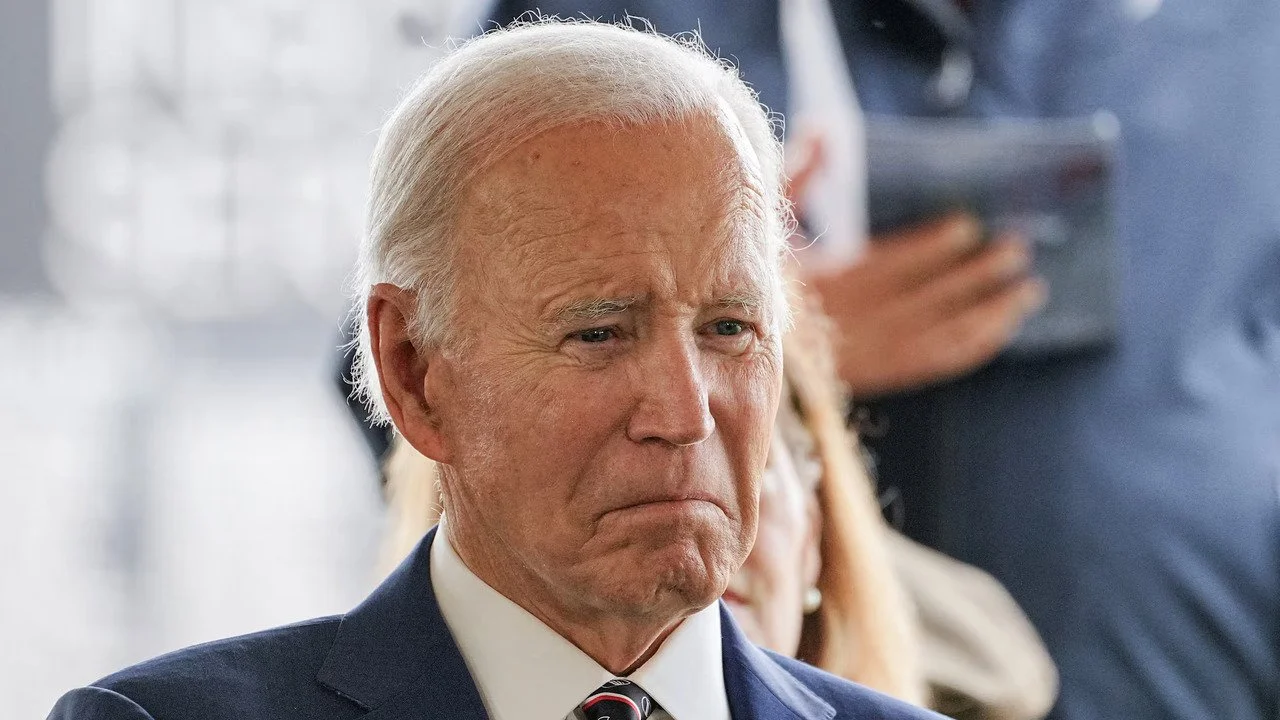
The Fifth Circuit, based in New Orleans, ruled 9-8 on Friday that the House lacked a constitutional quorum when it passed a $1.7 trillion spending package in December 2022. The court found that 226 lawmakers who used then-Speaker Nancy Pelosi's (CA-11) COVID-era proxy voting system could not be counted toward the quorum. Joe Biden was prepared to sign the bill.
Judge Cory Wilson wrote that the Act's passage was unconstitutional because "the Quorum Clause does not allow proxies to be included when establishing a quorum." "The Clause's text, context, original understanding, and unbroken historical application all indicate that Members of Congress must be present for quorum purposes," he wrote. "'Proxy presence' does not count," Wilson emphasized.
Pelosi introduced proxy voting in May 2020 as COVID lockdowns kept some lawmakers away from Washington. The package, the Consolidated Appropriations Act, 2023, funded federal agencies, sent about $45 billion to Ukraine and NATO allies, and about $40 billion to disaster relief. The court rejected the government's argument that Congress could define members as present even when they were not in the chamber. "Nothing about that theory depends on the existence of an emergency," Wilson wrote. "Under the Government's view, the House needs no external justification whatsoever before allowing Members to delegate their presence to a proxy for quorum purposes."
The lawsuit was brought by Texas Attorney General Ken Paxton, who challenged the Pregnant Workers Fairness Act included in the spending bill. Texas won an order stopping federal officials from enforcing that provision against the state. Friday's decision keeps that order in place, though the court called it "narrow." Eight judges dissented, including Obama-appointed Judge James Graves, who argued that the Constitution never expressly says lawmakers must be physically inside the chamber.
Outgoing Republican Rep. Chip Roy (TX-21), who had challenged the headcount when the House originally voted on the bill, wrote on X that the ruling was "a good result." Other Biden-era bills passed using proxy votes could face challenges, although Friday's decision was limited to the Texas case.