China’s Aggressive Push to Weaponize AI Sparks Growing International Alarm
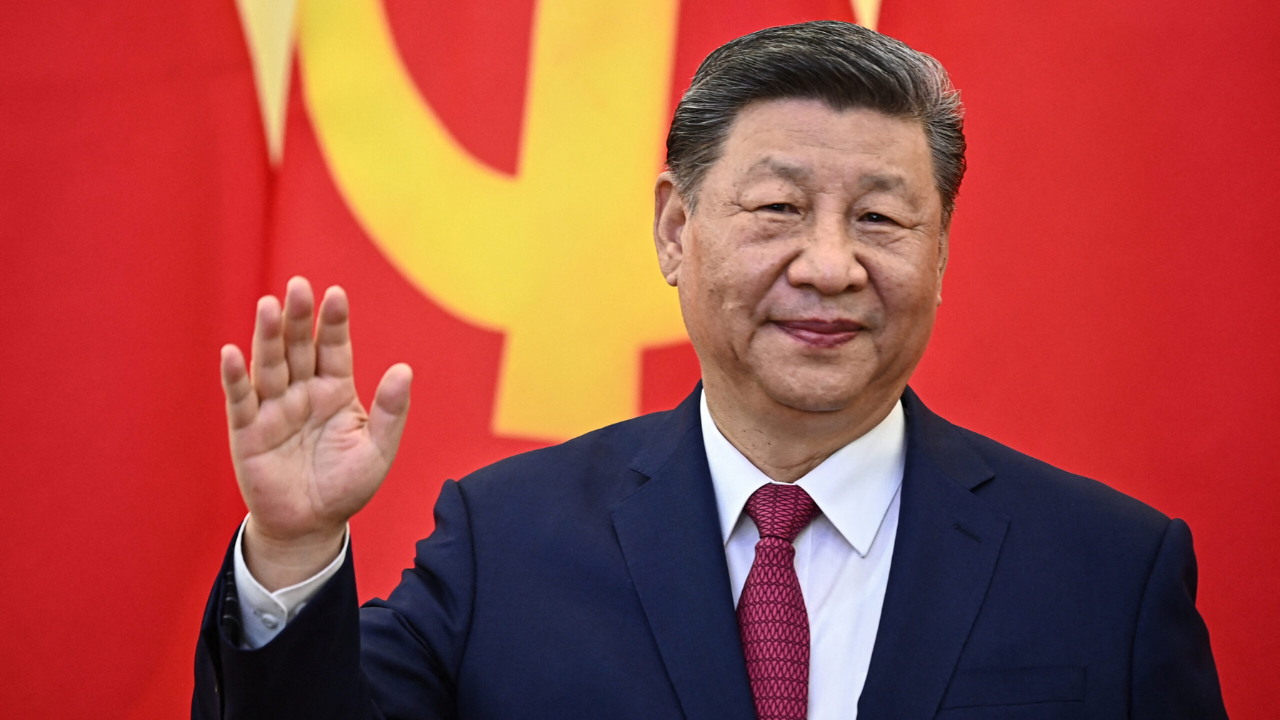
Experts are raising urgent concerns about Communist China’s accelerating efforts to develop a sophisticated artificial intelligence system tailored for military dominance. This warning gained fresh attention following a recent American announcement about a specialized chip built specifically for high-performance AI processing tasks. The development highlights how the technological competition between major powers has moved well beyond everyday applications.
The rivalry is now centered on the core infrastructure required to power advanced AI systems. Control over specialized processors, massive data facilities, electricity generation, networking equipment, and cloud platforms has become the central battleground. Nations that secure these foundational resources stand to gain decisive edges in economic output, intelligence operations, and overall strategic positioning on the global stage.
Many people in Western countries still think of artificial intelligence primarily as a convenient digital assistant for tasks like drafting messages or finding quick answers. In sharp contrast, Chinese leaders treat the same technology as a powerful instrument of state strength. They see it as essential for boosting military effectiveness, streamlining industrial processes, expanding surveillance networks, conducting cyber operations, and making faster battlefield decisions.
Beijing is actively investing heavily to build its own independent AI capabilities. Major Chinese firms are pouring resources into developing domestic semiconductors and related technologies. At the same time, the People’s Liberation Army is integrating autonomous systems and intelligent command networks into its forces, following top-level directives to create what officials describe as enhanced combat capabilities driven by machine intelligence.
A particularly troubling aspect involves repeated attempts by Chinese entities to replicate the most advanced Western AI models. Rather than stealing source code directly, these actors reportedly use large-scale querying techniques, proxy accounts, and other methods to extract functional knowledge from commercial AI systems. This approach allows them to train competing models based on the behavior and outputs of leading American technologies.
The United States faces its own significant challenges in this area. While American companies are investing hundreds of billions of dollars to expand data centers and AI infrastructure nationwide, critical supply chains for components like electrical equipment and rare-earth materials remain heavily dependent on foreign production. Much of this production is linked to China, creating a strategic vulnerability at a time when the two nations are viewed as long-term rivals.
To keep pace, American policymakers must move more decisively on several fronts. This includes building secure domestic semiconductor manufacturing, ensuring reliable energy supplies to support growing computational demands, diversifying supply sources away from adversarial influence, and increasing long-term investment in research. Above all, AI development needs to be treated as a fundamental national security matter rather than solely a commercial or technological issue.
The competition is already well underway and will shape the global balance of power for decades to come. Both sides recognize that mastery of AI infrastructure could determine economic leadership, military superiority, and technological independence in the years ahead. While the United States retains considerable strengths in innovation and resources, those advantages will only endure if leaders prioritize coordinated, forward-looking action across chips, energy, supply chains, and strategic resolve. China has made its priorities clear, and the outcome will depend on how quickly and effectively the response unfolds.