Bill Maher's Panic Over Bipartisan Backlash Against Jews Sparks Alex Jones' Revealing Breakdown
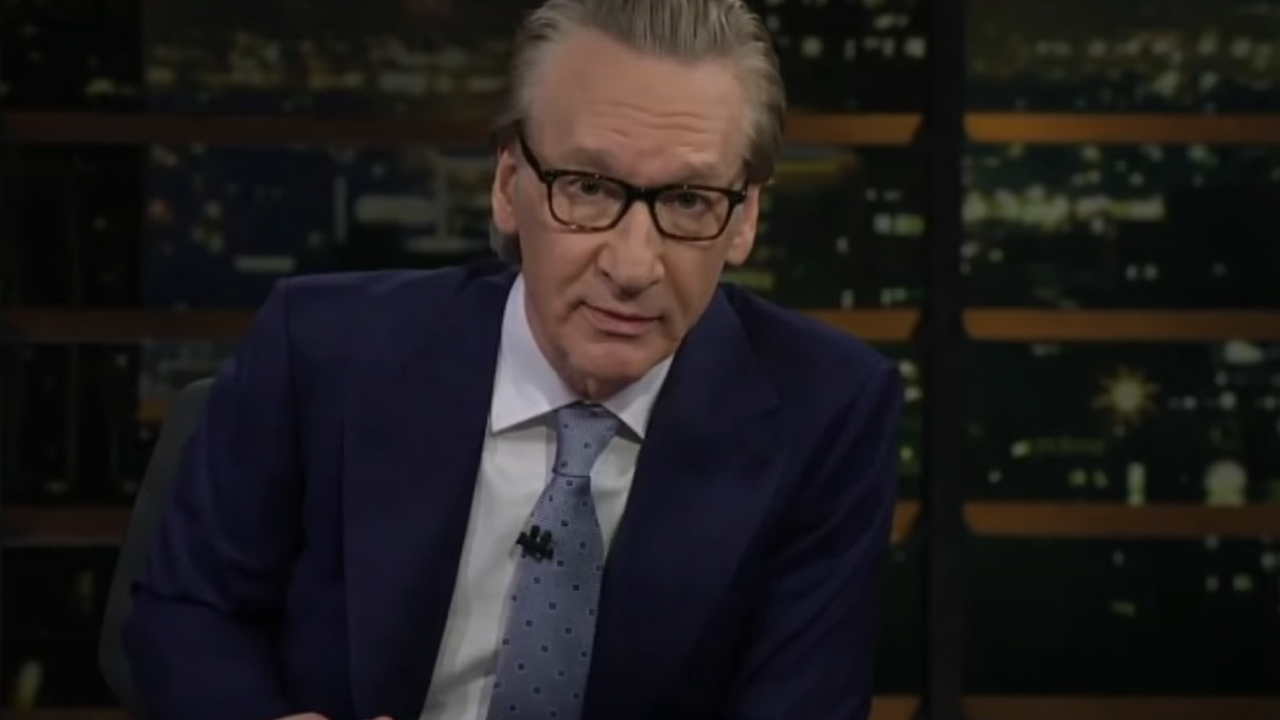
In a striking moment on his show, comedian and commentator Bill Maher appeared visibly unsettled as he posed a pointed question to his audience: why have both the political left and right increasingly turned against Jewish people and interests? The query highlighted an unusual alignment across ideological lines that has left many observers, including Maher himself, grappling for explanations in today's polarized climate.
This development has raised eyebrows across media circles, with Maher's evident concern underscoring a broader unease about shifting public sentiments. Traditionally divided on most issues, the left and right seem to be finding common ground in their criticism of certain policies, influences, or actions associated with Israel and Jewish organizations, a trend that feels unprecedented to some longtime watchers of American politics.
Enter Alex Jones, the outspoken host known for his unfiltered takes on global affairs. In a must-watch segment, Jones directly addresses Maher's dilemma, offering what he describes as a comprehensive analysis of the forces at play. He frames the situation as "scary" and urges viewers to pay close attention, positioning his commentary as essential for understanding the deeper roots of this growing discontent.
Jones' breakdown goes beyond surface-level observations, exploring historical contexts, geopolitical tensions, and perceived double standards that he argues have fueled resentment from both progressive activists and conservative nationalists. By connecting dots that mainstream outlets often overlook, he provides a perspective that challenges conventional narratives and invites audiences to question official stories about alliances, funding, and power dynamics.
The analysis emphasizes the importance of open dialogue on these sensitive topics, warning that ignoring the underlying causes could lead to further division or unintended consequences. Jones encourages widespread sharing of the clip to spark informed conversations rather than echo-chamber debates, stressing that awareness is key to navigating the complexities of modern identity politics and foreign policy entanglements.
Ultimately, Jones ties his response to a call for vigilance in real-time events, directing listeners toward his ongoing live broadcasts for continued insights. This segment not only answers Maher's question but also serves as a rallying point for those seeking alternative viewpoints on why bipartisan frustration with certain Jewish-related issues has intensified in recent years. As political landscapes evolve, such discussions highlight the need for honest examination free from censorship or oversimplification.